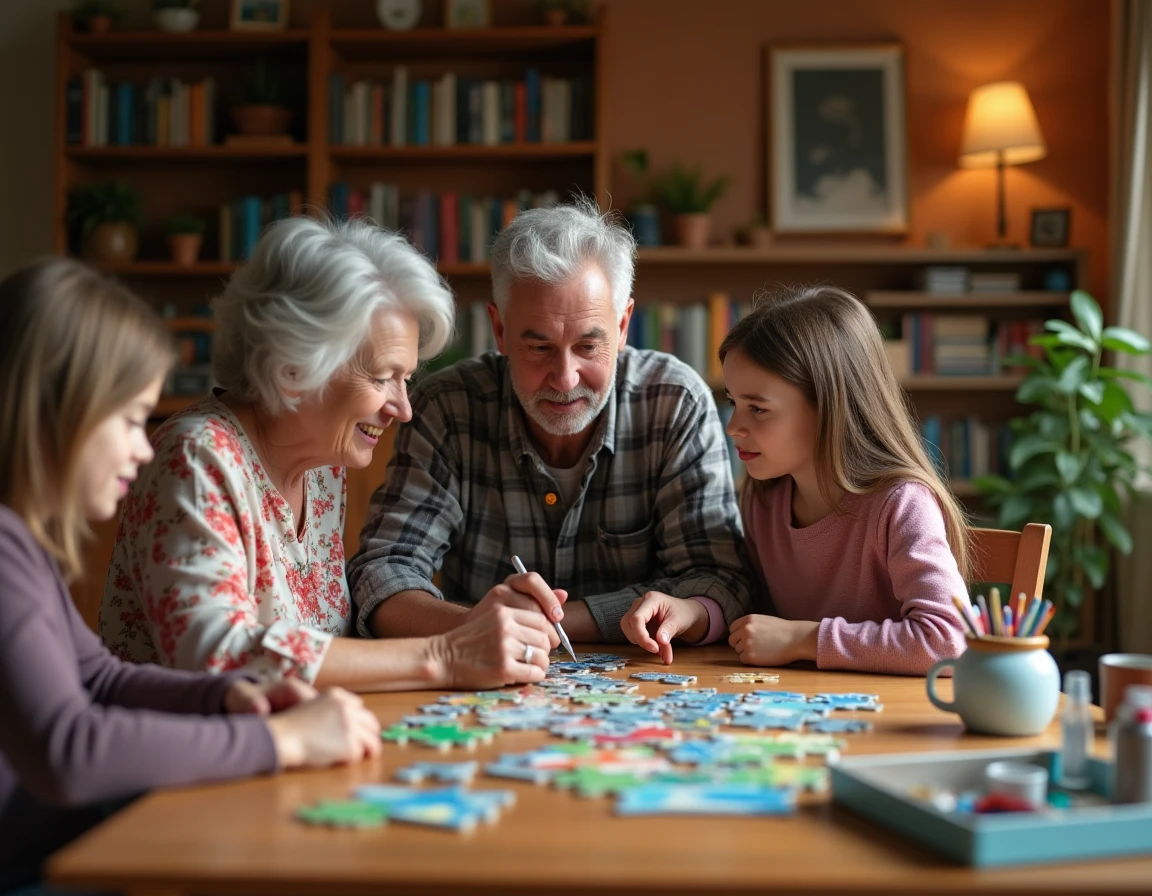
Offering a variety of leisure activities looks easy on paper. Providing leisure activities that everyone can actually participate in, regardless of age, mobility, or sensory abilities, is a whole different challenge. The diversity of activities does not guarantee accessibility, let alone social connection. This article explores how to choose leisure activities for all tastes and ages while considering what makes an activity truly inclusive.
Inclusive Leisure and Disability: What “For All” Should Mean
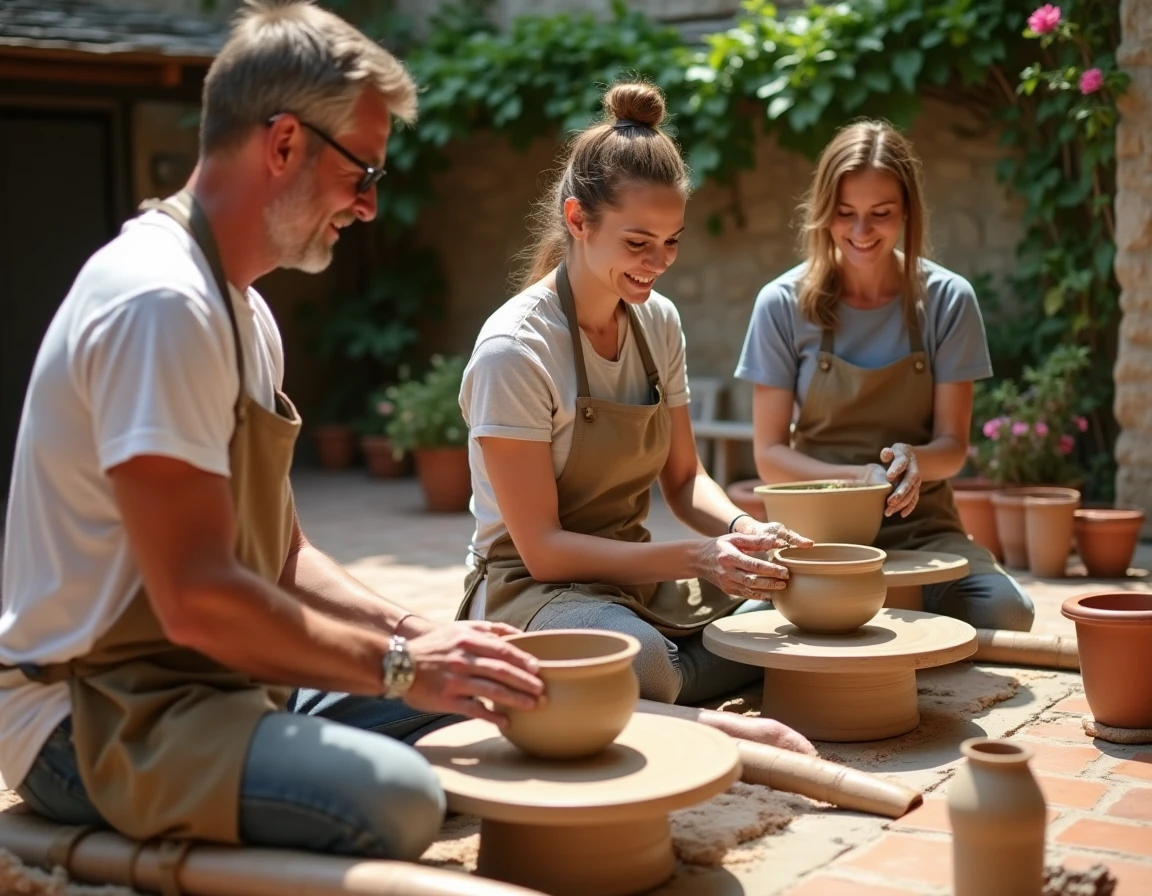
Have you ever looked at a municipal leisure program that advertises activities “for all ages”? In most cases, the term refers to a broad range: creative workshops, sports, cultural outings. The offer exists, but the question of actual access often remains sidelined.
Can a person in a wheelchair participate in the hike planned on an unpaved trail? Will an autistic child find a workshop suitable for noise and sensory stimulation? Inclusivity is measured by the concrete conditions of participation, not by the number of lines in a catalog.
Several communities in France are beginning to rethink their programs by integrating criteria for physical, sensory, and cognitive accessibility. Among the successful initiatives, a few constants can be found:
- Activity spaces accessible to people with reduced mobility, with signage in braille or pictograms for visual and cognitive impairments.
- “Calm” time slots for creative workshops or games, with a limited number of participants and controlled noise levels, designed for individuals with autism spectrum disorders.
- Trained facilitators who can support people with disabilities, capable of adapting the pace and content of a session in real-time.
This type of approach transforms a mundane leisure activity into a true tool for social connection. And that is exactly what should be aimed for when discussing leisure for all ages.
To explore an offer that attempts to reconcile variety and accessibility, the leisure activities offered by Essentium cover several families of activities adaptable to different profiles.
Low-Carbon Intergenerational Activities: Hiking, Shared Gardens, and Repair Cafés

The idea of leisure “for the whole family” often evokes amusement parks or organized vacations. These formats have their place, but they exclude part of the audience due to their cost, geographical distance, or physical demands.
Local low-impact leisure activities offer a concrete alternative. In recent years, ecological transition territorial observatories have reported a rise in low-carbon intergenerational activities. Three examples frequently come up.
Local Hiking
No need to go far. A loop of a few kilometers around a town, marked and accessible to strollers as well as elderly walkers, creates a shared discovery setting. Some municipalities organize “chatting” walking groups, where the pace is intentionally slow to encourage exchange between generations.
Shared Gardens
Cultivating a patch of land with neighbors is a leisure activity that requires neither expensive equipment nor particular physical condition. Children learn about the cycle of seasons, elders pass on skills, and the garden becomes a regular meeting place rather than a one-off event.
Repair Cafés and Creative Workshops
Repairing a toaster or sewing a hem together may seem trivial. Yet, these workshops are among the most effective for mixing ages and skills. A teenager helps a retiree with their phone, a craftsman shows a child how to use a screwdriver. Skills circulate both ways.
Leisure and the Fight Against Social Isolation of Seniors
The WHO published recommendations in 2023 on preventing social isolation. One of the highlighted avenues: integrating a well-being and mental health dimension into municipal leisure policies.
In practical terms, this involves formats designed for isolated individuals, often elderly, who will not step through the door of a sports club or a traditional workshop. Some communities are testing different approaches:
- Mindfulness workshops in small groups, held in community rooms, with no prior registration or long-term commitment.
- Accompanied cultural outings (museum visits, guided walks), with transport included from home, to remove the barrier of travel.
- Board games in libraries or community centers, open to all, where a facilitator encourages exchanges between strangers.
The main barrier to participation is not a lack of desire but the absence of a reassuring framework. When the activity comes to seek the person rather than the other way around, the participation rate changes radically.
Choosing Leisure Activities as a Family: Practical Criteria Beyond the Catalog
Are you looking for an activity that suits both your children, your parents, and yourself? Before browsing a leisure program, three criteria should be established in advance.
The first is the flexibility of difficulty level. An escape room can work for a group of 8 to 80 years old, provided the puzzles offer multiple levels and the space is physically accessible. A sports activity suits everyone if it allows for variations (electric bike for the less sporty, shortened course for young children).
The second criterion concerns duration. A two-hour workshop is suitable for an adult. For a five-year-old child or a fatigued elderly person, one hour is enough. Favor modular formats where everyone can stop without penalizing the group.
The third criterion, often overlooked, is the social dimension. An adventure park can be fun, but if it isolates each participant on an individual course, it does not create a connection. In contrast, a simple game of pétanque or a shared cooking workshop generates spontaneous exchanges between generations.
The variety of leisure activities available today is considerable. Family stays, outdoor games, cultural workshops, nature discovery experiences: the options are plentiful. The real challenge is not to find an activity, but to ensure it remains open to every member of the group, including those whose needs fall outside the norm.