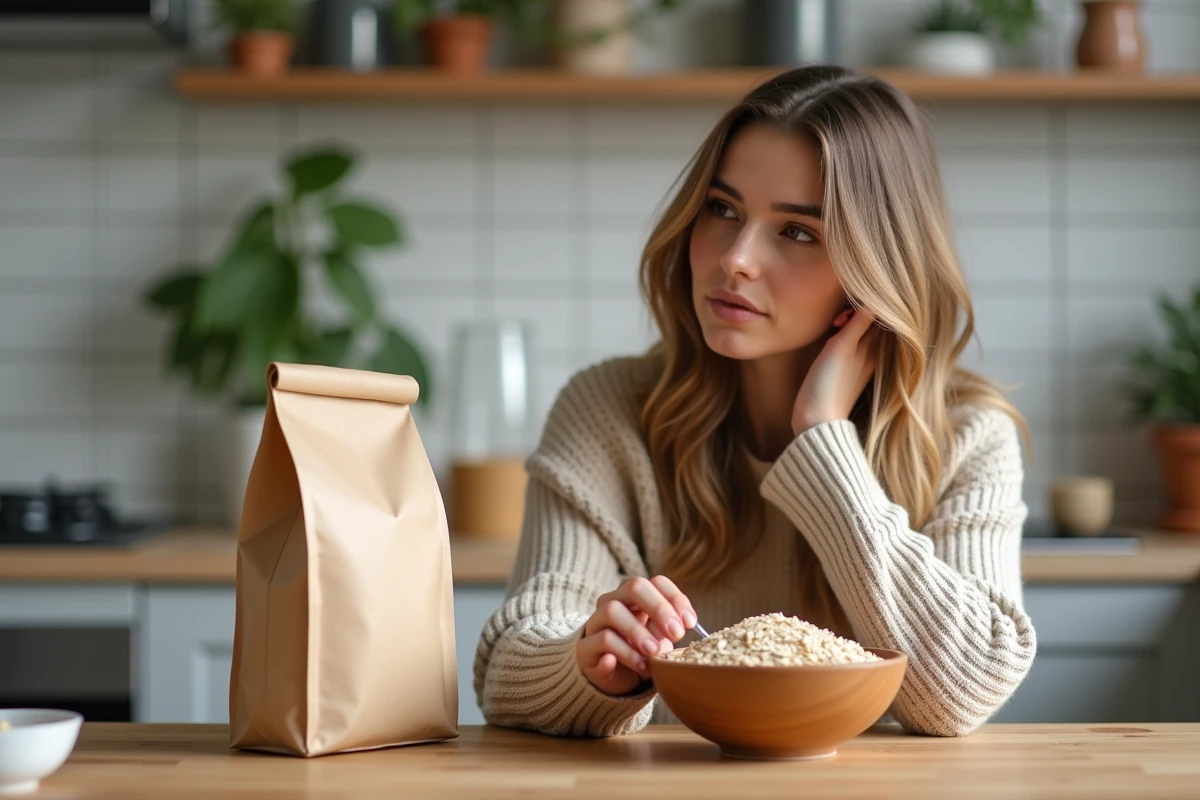
The replacement of oat flour with blended oats works in some recipes, but the match is never perfect. Texture, nutritional composition, everything changes beneath the surface. Even European legislation doesn’t miss this, drawing a clear line between these two products based on their processing.
Behind the name “oats,” two products stand firm in their positions. Flour or flakes, each directs the recipe: the choice of format shapes the texture, influences digestion, and alters flavors. It’s not just a matter of appearance or consistency on the plate, but rather a matter of sensations and responses to our food cravings.
Oat Flour and Oat Flakes: Distinct Profiles
Oat flakes leave nothing to chance. Thanks to steam cooking and crushing the whole grain, they retain all their fibers and maintain a true identity. Each method of use leaves a different imprint: they dissolve in the hot milk of porridge, crunch under the teeth in homemade granola, or add chewiness when mixed into dairy products. Their adaptability hits the mark when it comes to customizing breakfast or enhancing the consistency of improvised desserts.
On the other hand, oat flour plays on subtlety. With a refined finish and fine grind, it binds doughs, softens cookies and pancakes, and adds moistness to cakes. Blending the flakes gets close, but nothing equals the lightness of true milled flour. The difference is striking in the crepe pan: the batter rises differently, and the texture reacts without deception.
Points of attention: pure oats are naturally gluten-free, but only the label “gluten-free” guarantees the absence of contamination during packaging.
For those who really want to dig deeper, the file difference between oat flour and oat flakes details the processing, culinary uses, and the nutritional impact specific to each version.
Oats in All Their Forms: Nutritional Profile and Glycemic Index
On one side, oats are talked about by dietitians: soluble fibers, proteins, minerals, they are an everyday ally. But the body reacts differently depending on what it receives. Flakes provide lasting satiety: their intact structure slows sugar absorption, prolongs the feeling of fullness, and maintains a moderate glycemic index. As soon as we refine into powder, flour boosts the bioavailability of carbohydrates, ideal for quick recovery, but hunger returns sooner.
To vary and enrich one’s diet around oats, several alternatives emerge:
- Oat bran: super rich in insoluble fibers, it aids transit; it’s best to proceed gradually to spare the intestine.
- Oat groats: a nearly raw version, it appeals to those seeking a rustic and filling texture.
For practical guidelines, here’s what to keep in mind:
- Flakes have a low glycemic index, making them a great choice for hearty and sustaining breakfasts.
- Flour offers a light texture in baked goods but slightly raises the glycemic index.
- All variations (flakes, flour, bran) contain beta-glucan, a star fiber known for supporting good cholesterol levels and improving digestion.
Multiplying formats and dosing according to context allows one to break out of routine while fully enjoying the benefits of oats. One last detail if avoiding gluten: without clear certification on the package, beware of cross-contamination.

Oats, the Chameleon of Pantries
What makes oats truly interesting is their ability to reinvent themselves. In flakes, they thicken a smoothie, strengthen a porridge base, or sprinkle a bit of crunch on a fruit parfait. Add a plant-based milk, some seasonal fruits, a sprinkle of seeds or almonds, and even the standard breakfast takes on a whole new look.
Oat flour, on the other hand, makes the most tender pancakes shine and muffins always remain moist the next day. It also complements other flours: rice, buckwheat, or spelt, to twist old recipes. Indeed, some add a hint of guar gum or xanthan to aerate their batter: a detail that makes a difference for those who appreciate professional textures.
Oat bran, for its part, discreetly adds its touch of satiety to applesauce or yogurt, extending the hunger-suppressing effect without disrupting the flavors.
The method of storage matters: oat flour deserves an airtight jar away from moisture; transforming your own flakes on the spot offers the luxury of a always fresh product, tailored to your needs.
From early morning to snack time, oats refuse to be confined to routine. They invite themselves everywhere, changing their face without ever becoming tiresome. With each transformation, they leave their mark, captivating with their resources. Given this versatility, it’s hard to continue relegating them to the simple background character of our pantries.