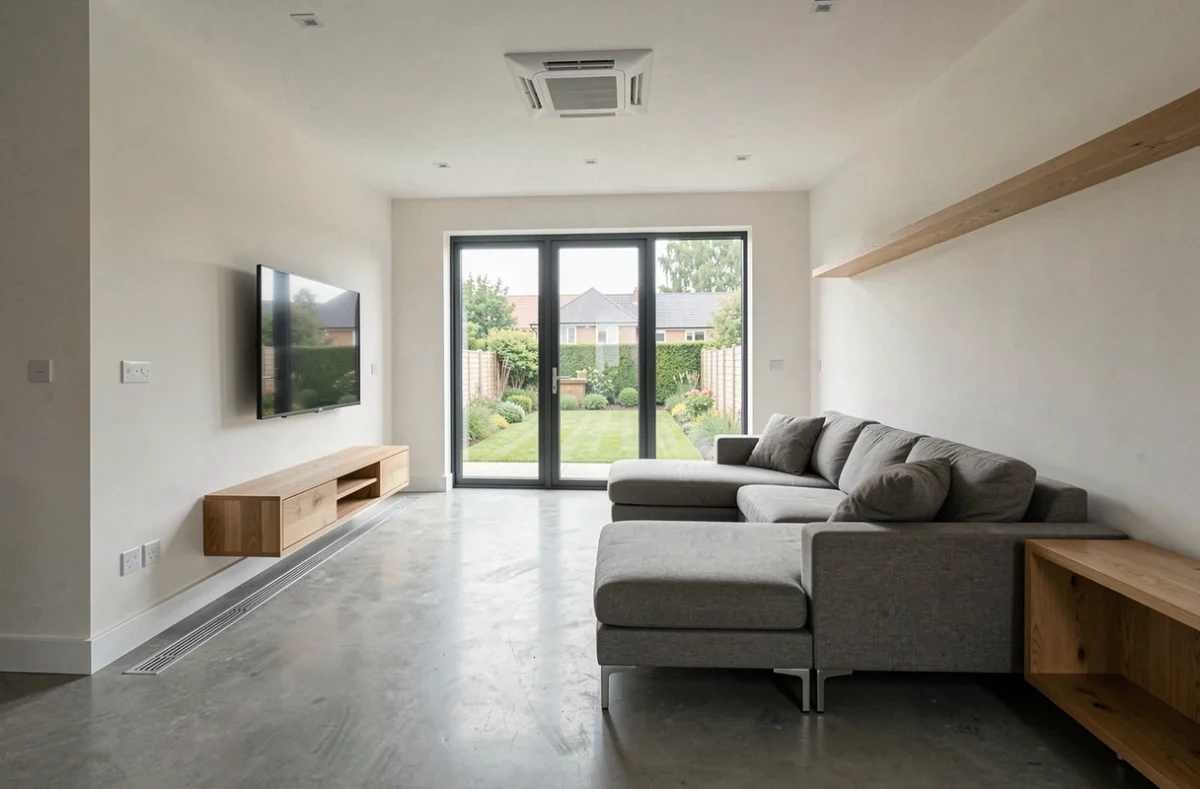
When replacing a gas boiler with an air/water heat pump and discovering, at startup, that the existing ventilation does not keep up, it quickly becomes clear that the equipment in a modern home cannot be chosen in isolation. Each technical component interacts with the others, and recent public subsidies encourage this direction. Here are the concrete points to consider when equipping a home without unpleasant surprises.
Ventilation and indoor air quality: the underestimated technical component
We often think about heating, insulation, and windows. Ventilation often comes last on the priority list, even though it directly affects perceived comfort and the durability of the building. Enhanced insulation without appropriate air renewal leads to condensation, mold, and material degradation within a few seasons.
In a new home, mechanical ventilation (VMC) is standard equipment. In older buildings, this is rarely the case. Before addressing heating or windows, it is advisable to have the existing ventilation system inspected or to plan for its installation.
The single-flow hygroscopic VMC remains the most common solution. It adjusts the airflow based on ambient humidity, room by room. The double-flow VMC, which recovers heat from the extracted air to preheat the incoming air, offers real thermal gains, but its installation requires a significant duct network. To learn about the different options available on the idhabitat.fr website and its equipment, one can compare technical characteristics before consulting a tradesperson.
Without proper ventilation, new insulation can become counterproductive. This is the first point to check, not the last.
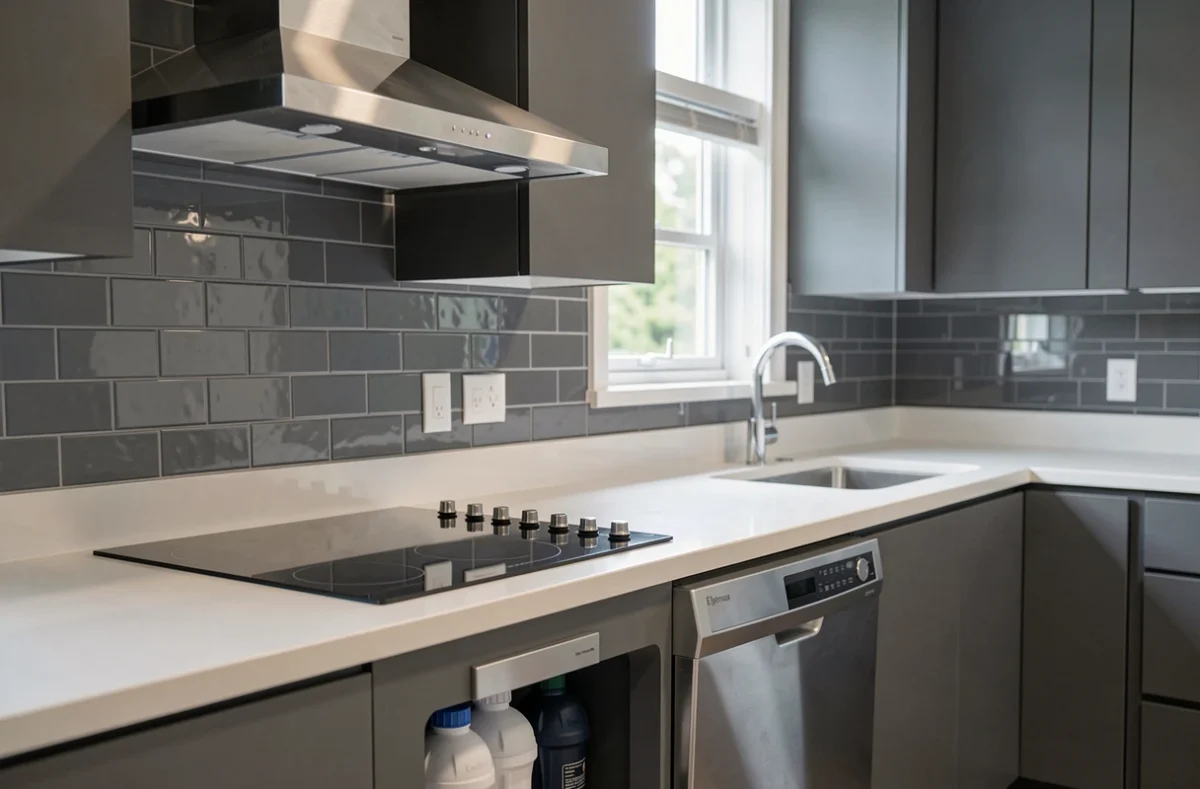
Heat pump and hot water production: what remains subsidized in 2026
Since September 1, 2026, MaPrimeRénov’ has significantly reduced its scope in the “by gesture” pathway. Thermodynamic or solar water heaters, double-flow VMCs, and a large part of insulation work are no longer funded under this framework. However, air/water and geothermal heat pumps remain eligible under certain conditions.
This refocusing changes the game for anyone planning an equipment project. One can no longer reason post by post while stacking subsidies. A large-scale renovation pathway requires a holistic approach: decarbonized heating system, coherent hot water production, insulation, and ventilation treated together.
Compatibility between heating and existing network
Installing an air/water heat pump in a home equipped with high-temperature radiators (such as oversized cast iron convectors) poses a performance issue. The heat pump operates effectively with low-temperature emitters: underfloor heating, warm water radiators, fan convectors.
Before signing a quote, it is essential to check the compatibility of the hydraulic network. Poorly calibrated sizing negates the expected energy savings. Feedback on this point varies depending on the age of the installation, highlighting the usefulness of a prior thermal audit.
Electrical panel and distribution circuit: the often-neglected foundation
There is much talk about home automation, connected lighting, and charging stations for electric vehicles. All these devices require a compliant electrical panel and a properly sized distribution circuit. In a home older than twenty years, this is rarely a given.
An outdated panel limits the possibilities for adding dedicated circuits. Connecting a heat pump, a charging station, or an induction hob to an undersized installation risks nuisance tripping or even a fire.
- Check for the presence of a 30 mA differential circuit breaker on each row of the panel, a minimum condition for the safety of individuals.
- Plan a dedicated circuit for each major consumer (heat pump, charging station, thermodynamic water heater) with an appropriately sized cable.
- Anticipate the future addition of equipment by reserving free spaces in the panel, rather than saturating the existing setup.
A qualified electrician can perform a complete diagnosis in a few hours. This diagnosis conditions the rest of the equipment project.
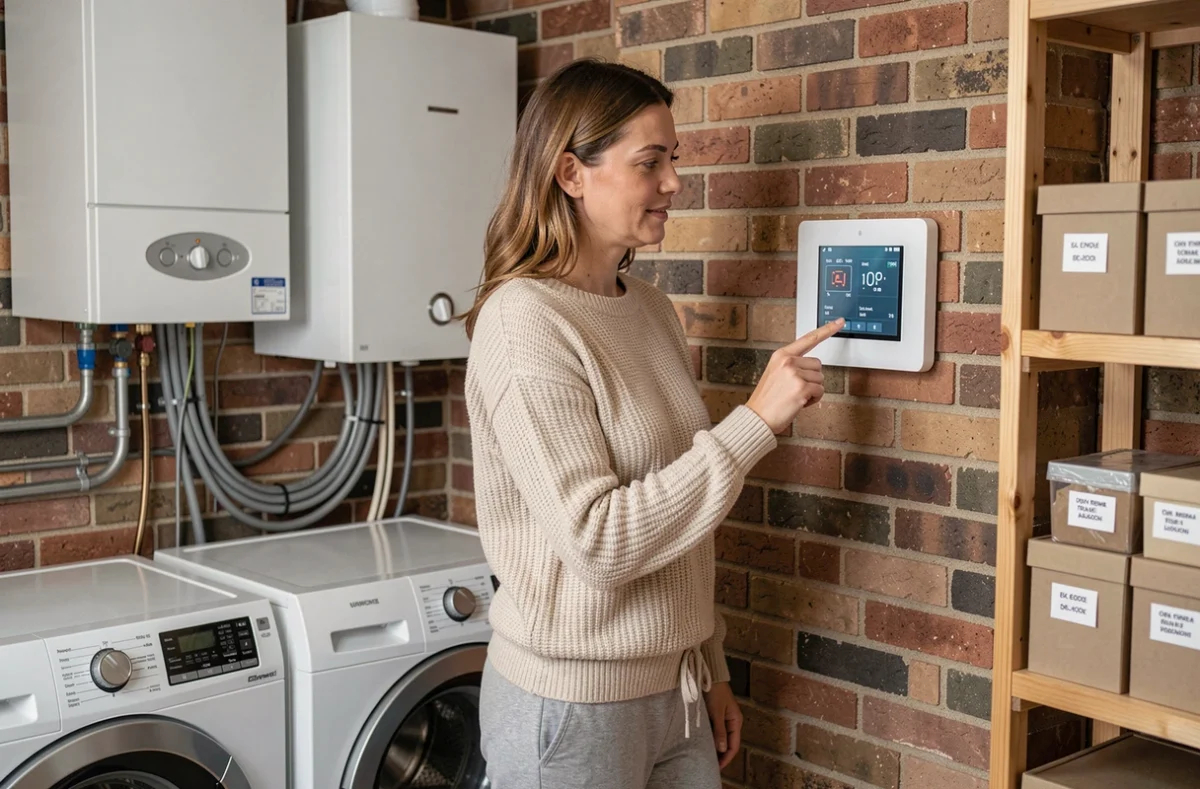
Layout of living spaces: kitchen, living room, and functional storage
Layout is not just about decoration. The positioning of outlets, the lighting of the kitchen work surface, and the height of storage all involve equipment choices that should be made in advance, not once the walls are painted.
Kitchen: ergonomics before aesthetics
The activity triangle (sink, cooking area, refrigerator) remains the basic principle of a functional kitchen. Today, the issue of specific ventilation is also added: an extraction hood, connected to the outside, evacuates grease and humidity much better than a recirculation model.
Planning direct lighting under the upper cabinets avoids shadowy areas on the work surface. Integrated LED strips are sufficient, provided they are powered by a dedicated circuit planned from the design stage.
Living room and open living spaces
In a living room open to the kitchen, acoustic treatment becomes a piece of equipment in its own right. Absorbing panels on the ceiling or textile wall coverings reduce reverberation, especially in rooms with large bay windows and hard floors.
Integrated storage (custom bookshelves, built-in closets) frees up floor space. You gain living space without enlarging the room.
- A closed technical closet for the electrical panel, internet router, and home automation equipment centralizes flows without cluttering the living room.
- Recessed outlets in the work surface or TV unit avoid visible extensions.
- Zone lighting (reading, dining, ambiance) can be easily controlled with dimmer switches, without resorting to an expensive home automation system.
Global renovation or step-by-step: how to balance the equipment budget
Decree No. 2026-822 of August 25, 2026, modified the conditions for accessing aid for energy renovation. The maintenance or replacement of a gas or oil boiler can now exclude a project from public funding. This constraint encourages planning equipment in a logical order rather than reacting to breakdowns.
In practice, one starts with the envelope (insulation, windows, ventilation), then sizes the heating according to the actual needs reduced by insulation. Installing a powerful heat pump in a poorly insulated home is akin to oversizing an engine in a car with flat tires.
The budget is better allocated when one knows the order of technical priorities. An energy audit, now mandatory before certain real estate sales, provides a quantified basis for balancing the components. The holistic approach is cheaper in the long run than a series of isolated actions.